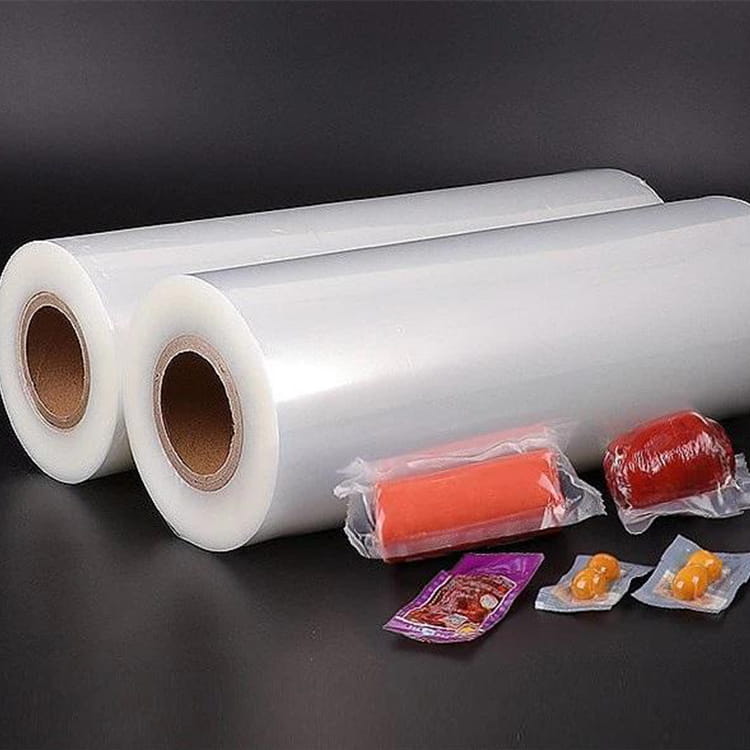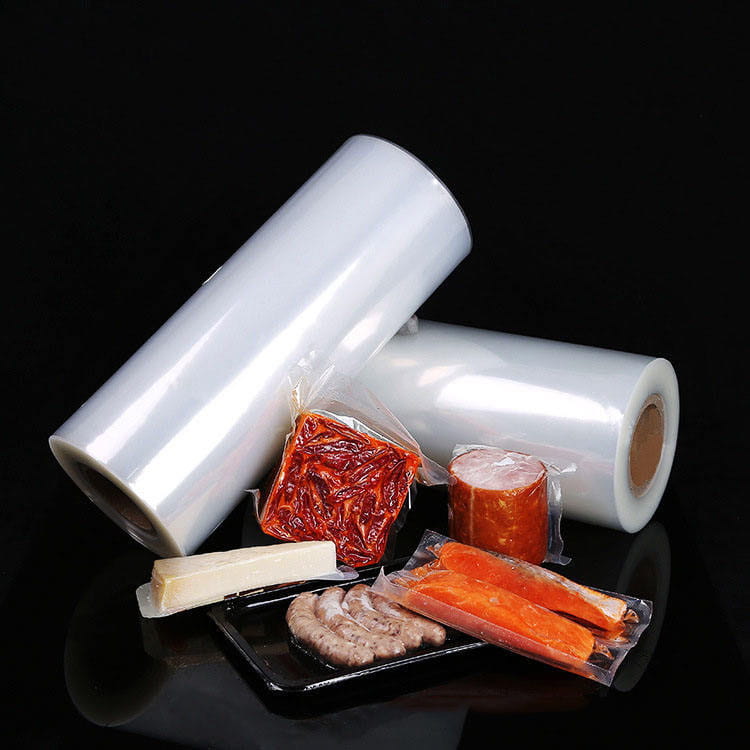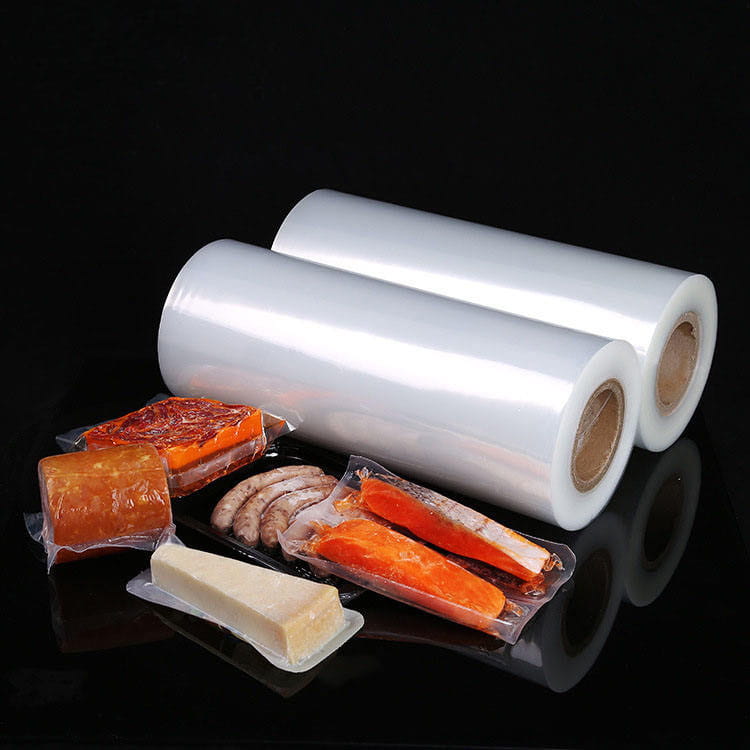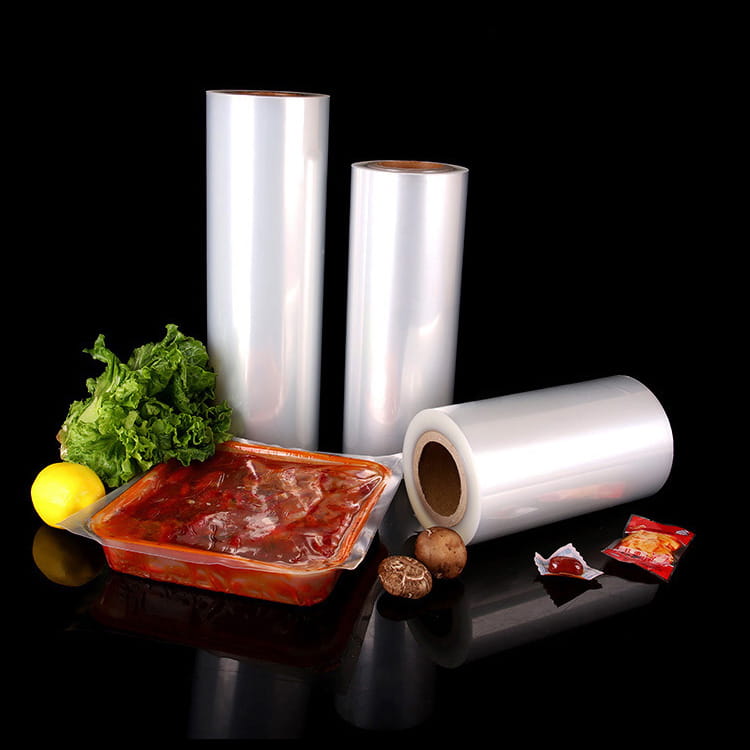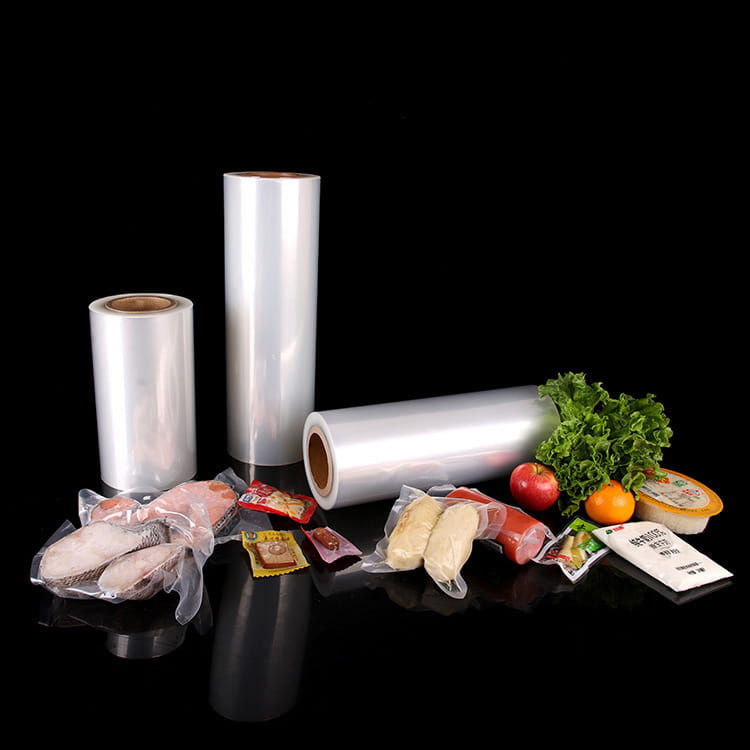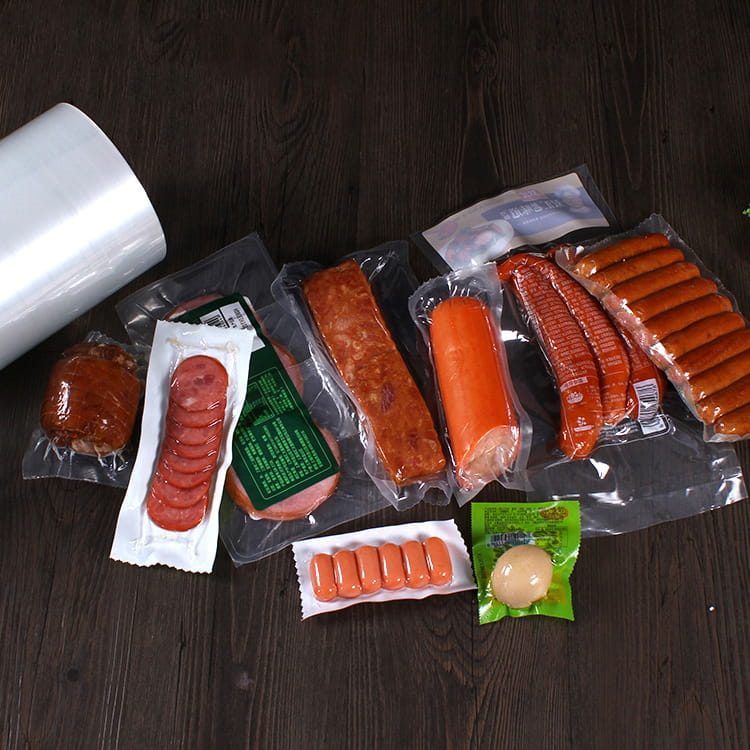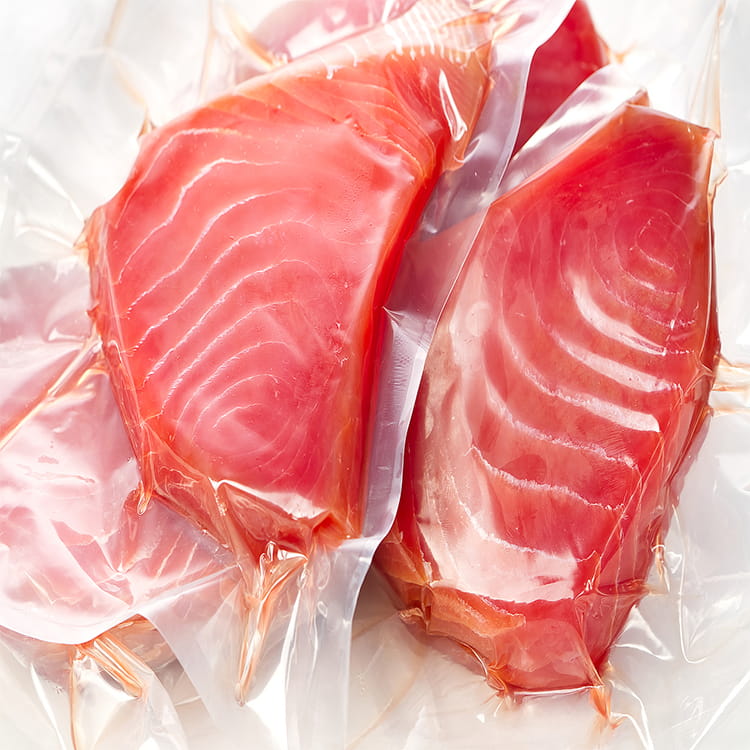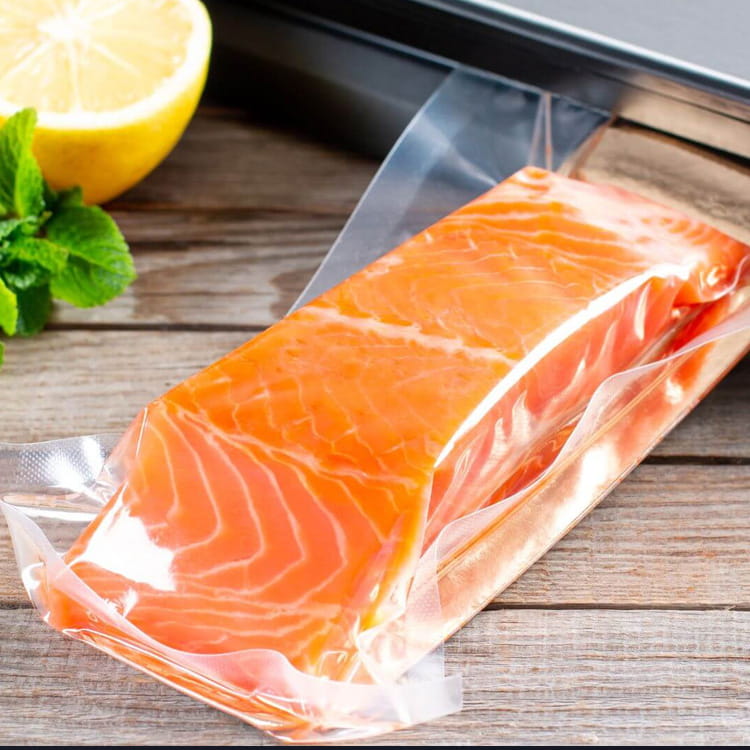



の 複合印刷フィルム 接着剤または共押出プロセスを通じて複数の材料層で作られています。その構造は通常、基材層 (PET、BOPP など)、バリア層 (アルミ箔、EVOH など)、およびヒートシール層で構成されます。ヒートシール層は最内層に位置し、内容物と直接接触します。その中心的な機能は、ヒートシールプロセスを通じて信頼性の高いシール界面を形成することです。
この関数は単純に見えますが、実際には複数の矛盾のバランスを取る必要があります。
の game between low temperature and high temperature: it must be able to quickly heat-seal at low temperatures to adapt to high-speed production lines, and it must remain stable in high-temperature environments to resist sterilization treatment;
の balance between flexibility and rigidity: it must be soft to fit the shape of the package, and it must be tough enough to resist extrusion and puncture during transportation;
の coordination of transparency and barrier: it must ensure the visual appeal of the package, and effectively block external factors such as oxygen and moisture.
の performance defects of the heat seal layer may directly lead to packaging failure:
ヒートシール強度が不十分だと漏れが発生し、内容物の紛失や汚染の原因になります。
ヒートシール層の老化により層間剥離が生じ、バリア特性が破壊されます。
ヒートシールが不均一になると弱点が生じ、パッケージの耐衝撃性が低下します。
の performance of the heat seal layer is not a single indicator, but a complex system determined by material properties, processing technology and environmental adaptability. The following are four core dimensions:
低温ヒートシール性は高速包装生産ラインの生命線です。キャストポリプロピレン(CPP)を例にとると、そのヒートシール温度は通常、従来のポリエチレン(PE)よりも20〜30℃低いため、設備のエネルギー消費量が削減され、ヒートシール時間が短縮され(0.5秒未満に短縮可能)、生産効率が大幅に向上します。
の realization of low-temperature heat sealability depends on the molecular structure design of the material:
分子量分布:分子量分布が狭いCPPは融点が低いですが、ブレンド技術によりヒートシール強度と靭性のバランスをとる必要があります。
添加剤の選択: ポリブテン (PB) などの可塑剤を添加すると融点を下げることができますが、バリア特性への影響を避けるために添加量を制御する必要があります。
高温殺菌が必要な食品(缶詰、インスタントミールパックなど)や医薬品(注射剤など)の場合、ヒートシール層は121℃以上の調理温度に耐える必要があります。変性ポリエチレン (PE) は、ブレンド技術 (エチレン-酢酸ビニル共重合体 EVA やエチレン-アクリル酸共重合体 EAA の添加など) を使用して、ヒートシール強度を維持しながら融点を 140°C 以上に高めます。
の key to high temperature stability lies in the thermal oxidation stability of the material:
の addition of antioxidants can delay the degradation of the material at high temperatures;
の formation of cross-linked structures (such as through radiation cross-linking) can improve the heat resistance of the material.
の uniformity of the heat seal layer directly affects the sealing integrity of the package. The film thickness deviation must be controlled within ±5%, otherwise it is easy to cause local overheating or poor sealing. In the composite process, the film thickness is monitored in real time by an online thickness gauge, and the extrusion amount is adjusted using a closed-loop control system to ensure the consistency of the heat seal layer thickness.
の destruction of uniformity may be caused by:
原料変動:ポリマー分子量の不均一分布など。
加工パラメータの偏差: 一貫性のない押出温度や冷却速度など。
輸送および保管条件: 材料の吸湿や結晶化を引き起こす高温多湿環境など。
ヒートシール強度は、シールの信頼性を測る中心的な指標です。さまざまな用途シナリオにおけるヒートシール強度の要件は大きく異なります。
一般的な食品包装:内容物の漏れを防ぐため、輸送中の振動や押し出しに耐える必要があります。
薬剤の包装: 無菌隔離を確実にするために針の穿刺に耐える必要があります。
工業製品の梱包: 梱包が破損するのを防ぐために、重い物の積み重ねに耐える必要があります。
の improvement of heat seal strength needs to be achieved by optimizing heat seal temperature, pressure and time. For example, in CPP heat sealing, the heat seal conditions of 130℃, 0.3MPa, and 1 second can achieve a strength of 22N/15mm, while modified PE requires 150℃, 0.4MPa, and 1.5 seconds.
の performance of the heat seal layer not only determines the sealing of the package, but also affects the overall reliability through the following mechanisms:
1. シーリング:内容物の漏れを防ぐ直接バリア
液体包装では、ヒートシール強度が不十分な場合、ピンホールや亀裂が発生しやすく、内容物の漏れが発生することがあります。たとえば、しょうゆの包装では、輸送中の振動や押し出しに耐えるため、ヒートシール強度は 18N/15mm 以上である必要があります。
密閉に失敗すると、連鎖反応が引き起こされる可能性があります。
内容物の漏洩は製品の損失につながります。
外部からの汚染物質がパッケージ内に入り込み、内容物の劣化を促進します。
消費者の信頼が低下し、ブランドイメージが傷つきます。
の uniformity of the heat seal layer affects the continuity of the barrier layer. If bubbles or stratification appear in the heat seal area, the oxygen permeability will increase significantly, causing oxidation of the contents. In coffee packaging, the close combination of the heat seal layer and the aluminum foil layer can reduce the oxygen permeability to below 0.5cm³/(m²·24h·0.1MPa), extending the shelf life to 18 months.
の damage of barrier properties may be caused by:
ヒートシール層とバリア層との間の接着が不十分である。
ヒートシールプロセス中に発生する微細孔。
環境要因 (湿度や温度など) によって引き起こされる材料の劣化。
の toughness of the heat seal layer determines the puncture and tear resistance of the package. In frozen food packaging, the modified PE heat seal layer needs to be improved by adding toughening agents (such as POE) to improve low-temperature toughness to prevent brittle cracking at -18°C.
機械的特性が不十分だと、次のような問題が発生する可能性があります。
輸送中のパッケージの破損と内容物の飛散。
消費者はパッケージを開けるのが難しく、ユーザーエクスペリエンスに影響を与えます。
積み重ね時にパッケージが変形し、保管効率が低下します。
の improvement of heat seal layer performance needs to be promoted in a coordinated manner from three aspects: materials, processes and design:
1. 材料革新:機能性複合材料
ナノ材料の改質:ナノクレイ、ナノシリカなどを添加することでヒートシール層の機械的特性を強化します。
バイオベース材料の適用: ポリ乳酸 (PLA) やポリヒドロキシアルカノエート (PHA) などのバイオベース材料は、包装の環境への影響を軽減できます。
スマートな材料開発: 相変化材料 (PCM) の導入により、ヒートシール層の温度応答性が向上し、コールド チェーン 物流のニーズに適応します。
2. プロセスのアップグレード: 正確な制御
オンライン監視技術: 赤外線温度計、レーザー厚さ計、その他の機器によるヒートシールプロセスのリアルタイム監視。
デジタル シミュレーション: 有限要素解析 (FEA) を使用してヒート シール層の応力分布を予測し、プロセス パラメーターを最適化します。
閉ループ制御システム: 監視データに従ってヒートシールの温度、圧力、速度を自動的に調整し、一貫性を確保します。
3. 設計の最適化: 軽量構造
薄型設計: 性能を確保しながらヒートシール層の厚さを減らし、材料コストを削減します。
多層複合構造: 異なる材料の勾配分布により、性能とコストのバランスを実現します。
簡単に引き裂けるデザイン: 消費者の開封体験を向上させるために、ヒートシール層に脆弱な構造を埋め込みます。